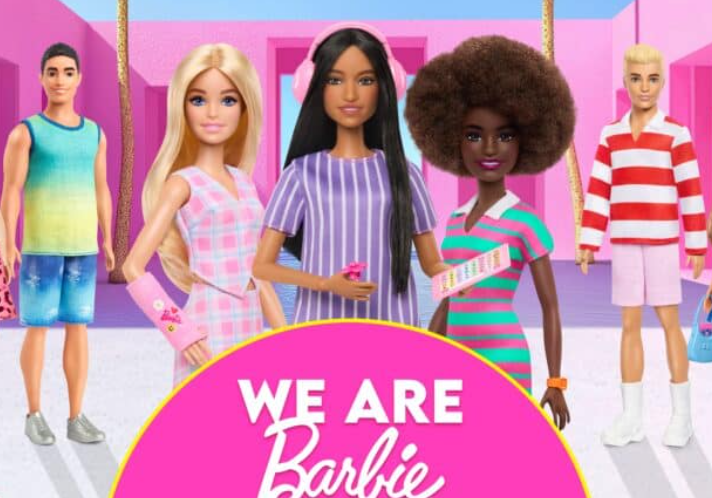
Mattel just launched something meaningful for children everywhere. On January 13, 2026, the toy company introduced its first-ever Barbie doll designed to represent autism—a significant step toward making playtime more reflective of the real world.
This new doll was created through an 18-month collaboration with the Autism Self Advocacy Network (ASAN), a nonprofit organization led by autistic individuals dedicated to promoting disability rights.
The decision to create a Barbie doll with autism matters because about 1 in 31 children in the United States is diagnosed with autism by age eight. Many autistic children have never seen themselves represented in mainstream toys, which can affect how they view themselves and their place in the world. This new Barbie aims to change that by offering a character that reflects their experiences, according to ABC News.
The design team made thoughtful choices throughout the development process. The doll's eyes are slightly to the side, reflecting how some autistic individuals prefer to avoid direct eye contact.
Her articulated elbows and wrists allow her to move in ways that show stimming behaviors like hand flapping, which many autistic people use to process emotions or express excitement.
The dress is an A-line style with short sleeves and a flowing skirt, designed to minimize uncomfortable contact between fabric and skin—a concern for many autistic people with sensory sensitivities. She also wears flat shoes for better balance and stability.
The accessories included with the doll reflect real tools that many autistic people use daily. She comes with pink noise-canceling headphones to help manage sensory overload, a fidget spinner for sensory regulation, and a tablet symbolizing augmentative and alternative communication devices, CNN reported. These additions acknowledge that autism involves sensory and communication differences that deserve recognition and support.
This doll joins Mattel's broader Fashionistas line, which now includes over 175 variations featuring different body types, skin tones, hair textures, and conditions like Down syndrome, Type 1 diabetes, and blindness. Mattel is sending a clear message: every child deserves to see themselves in toys.
Experts agree that authentic representation during childhood can help develop positive identity and self-esteem, particularly for autistic children who may otherwise feel excluded or misunderstood.
At a suggested retail price of $11.87, the doll became available at Target, Walmart, and Amazon starting in January 2026, with expanded Walmart availability planned for March, as per Axios.
Originally published on parentherald.com